Most Bird Dogs Never Reach Their Potential – Here’s Why
5 Bird Hunting Tips From A Professional Dog Trainer
by the founder of Advent Retrievers & Versatiles, Vincent Harris
The Standards, Breeding Decisions, and Training Principles That Shape Confident, Finished Retrievers, and Rock-Solid Upland Hunting Dogs
A great hunting dog changes everything.
The anticipation in the blind.
The way a dog works cover into the wind.
The pause before the flush.
The retrieve to hand after the shot.
But most bird dogs never reach their full potential—not because they lack talent, but because of poor breeding choices, inconsistent training, or outdated methods that suppress instinct.
Whether you hunt waterfowl, pheasants, quail, or grouse, the right dog training foundation changes your next 10–13 hunting seasons!
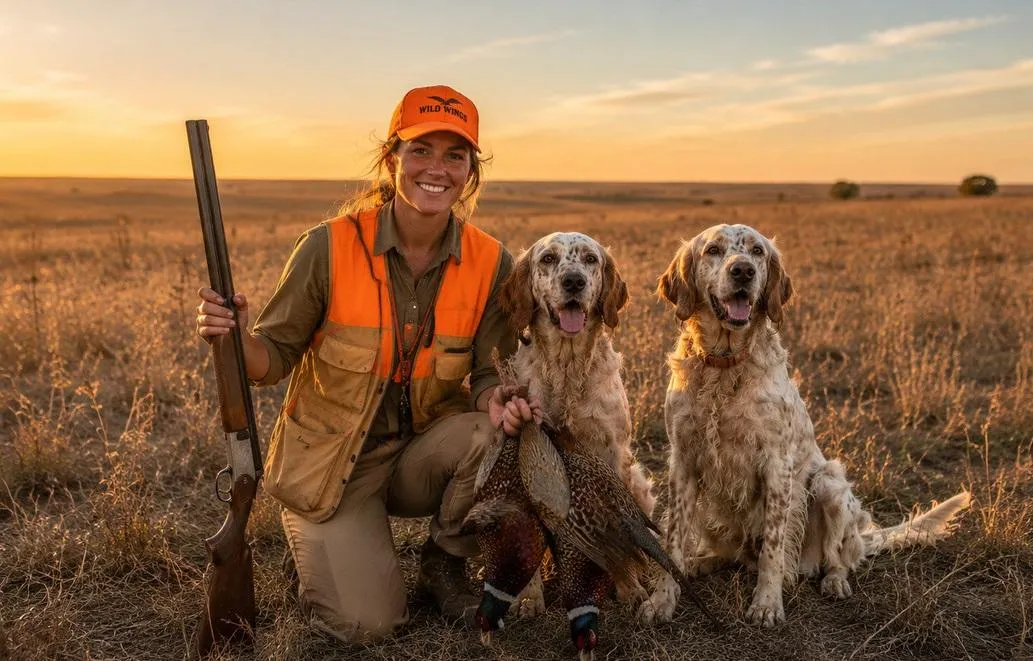
1. Choose A Breed That Matches The Way You Hunt
You can improve obedience.
You can sharpen handling.
But you cannot manufacture natural drive, instinct, or cooperation.
A hard-charging pointer that ranges hundreds of yards may frustrate a hunter looking for a close-working dog.
A late-season pheasant hunter pushing heavy cover may need a completely different dog than someone hunting quail over open ground.
A wet and cold goose hunter concealed in a 2,000-snow-goose decoy spread cannot afford a duck dog that whines and moves when a group of birds locks their wings to land on you.
The right breed creates harmony between hunter and dog.
The wrong breed creates frustration for the next 13 seasons.
Ultimately, most hunters decide between three hunting styles:
Flushers
Dogs that work close and push birds into the air.
Pointers
Dogs that locate birds and hold point until the hunter approaches.
Retrievers
Dogs with the endurance to break ice and make 100-yard retrieves to your hand.
All can become exceptional hunting companions when matched correctly to the owner and hunting style.
Trusted By Bird Hunters Across California And Beyond
Hunters trust Advent Retrievers & Versatiles to help develop family dogs that will hunt confidently in the field.
⭐⭐⭐⭐⭐4.7
Trusted By 1,200 Hunters
Free Download: Our Ultimate Bird Dog Blueprint
The 1-page guide to raising, training, and developing a dog that makes you hunt more.
$0 USD $15 You Save $15
Inside the guide:
What to expect during every development stage
Common mistakes that ruin good dogs
Training standards serious hunters follow
When pressure helps—and when it hurts
What separates average dogs from once-in-a-lifetime hunting companions
We respect your privacy and never share your information.
2. A Good Breeder Saves Years Of Frustration
Training can sharpen talent.
It cannot create it.
Dogs with strong genetics, prey drive, confidence, and stability typically learn faster and progress further in training.
The cheapest puppy often becomes the most expensive dog you own.
A quality breeder improves the odds of:
Better trainability
Stronger retrieving instinct
Stable temperament
Greater hunting desire
Better health and longevity
Pedigree matters because predictability matters.
When you invest in a bird dog, you are investing in the next decade of hunting memories.
3. Good Training Builds Drive — Not Fear
I spent my money to watch birds flair. I hunted ducks with a guide once who hit his Labrador when it came to him. He yelled at his dog when it wouldn’t hide in the blind.
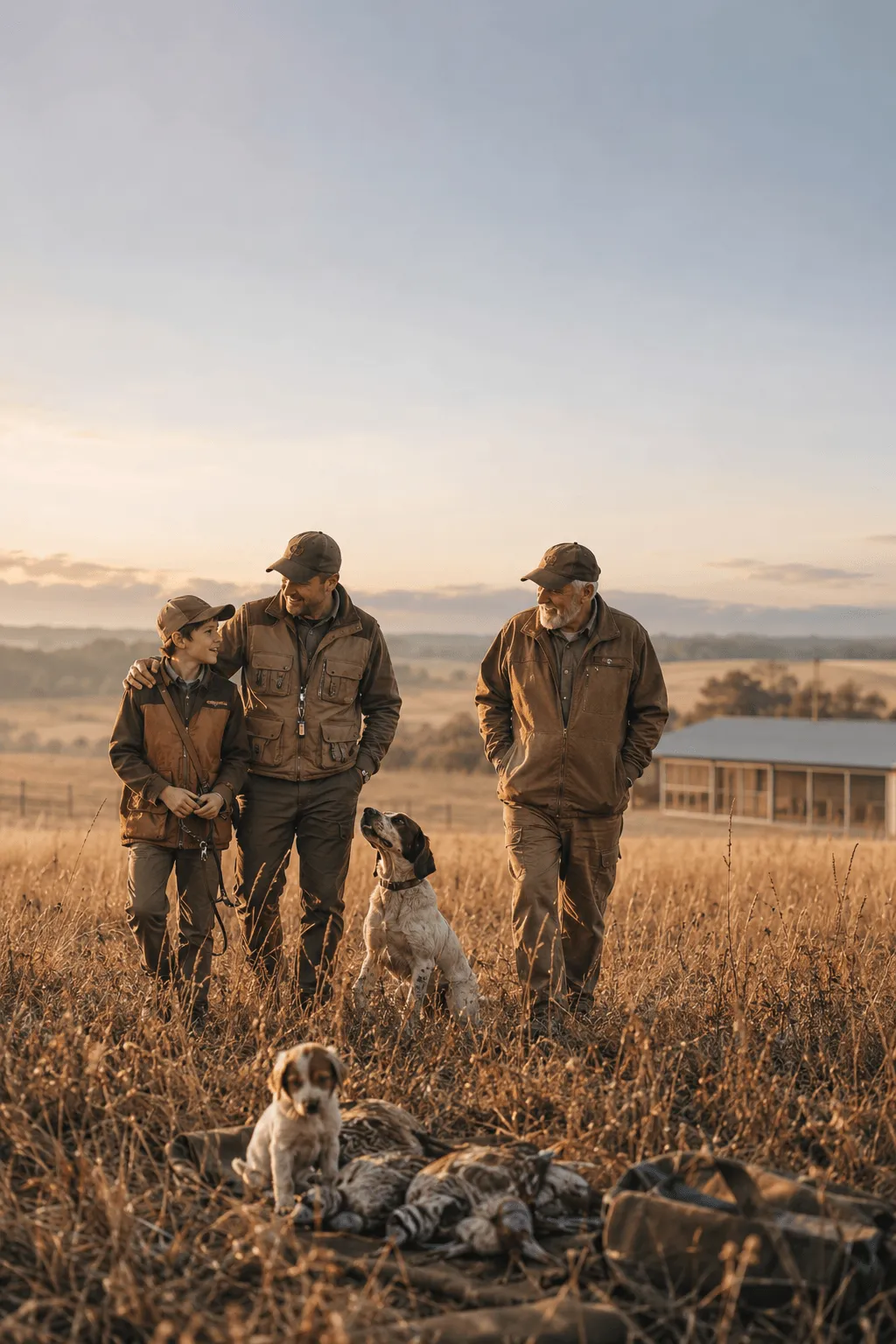
A great training program should increase enthusiasm—not suppress it – worse, make a dog fear you.
The goal is not robotic obedience.
The goal is a dog that:
Hunts with intensity
Remains steady under excitement
Marks birds naturally
Retrieves confidently
Delivers to hand
Handles pressure without losing drive
A confident hunting dog carries itself differently.
Tail up.
Eyes engaged.
Focused on the work.
That tells you all you need to know about the training.
Because the best hunting dogs love their job.
We Ensure Our Modern Training Preserves:
Instinct
Confidence
Drive
Partnership between hunter and dog
Long-term enthusiasm for the field
Get a dog who hunts for you
4. What Ruins Good Hunting Dogs?
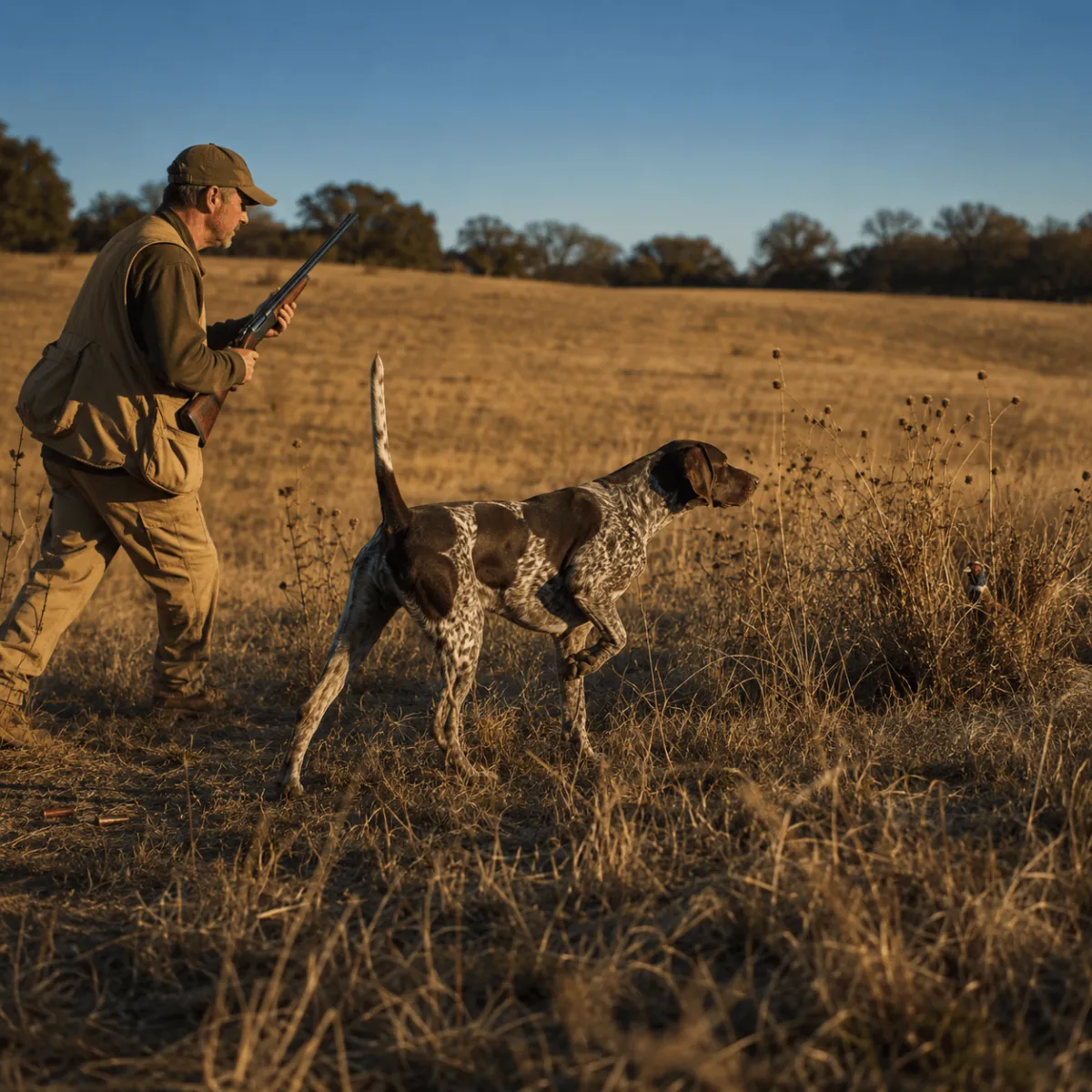
Most bad hunting dogs started as good puppies.
The problem is usually not a lack of talent.
It is poor development.
Common mistakes include:
Starting pressure too early
Inconsistent obedience at home
Poor socialization
Choosing the wrong trainer
Suppressing natural drive
Expecting maturity before the dog is mentally ready
Bird dogs develop in stages.
When training ignores those stages, frustration builds for both dog and owner.
The right process protects the dog’s confidence while building reliability over time.
5. A Hunting Dog Is Family
The best bird dogs are more than hunting tools.
They ride in the truck.
Sleep at your feet.
Live with your family.
And get excited with you to perform when the hunting season opens.
That balance only happens when training develops both:
field performance
and the relationship between dog and owner
A well-trained bird dog should bring pride both in the field and at home.
Click Your Favorite Sporting Breed
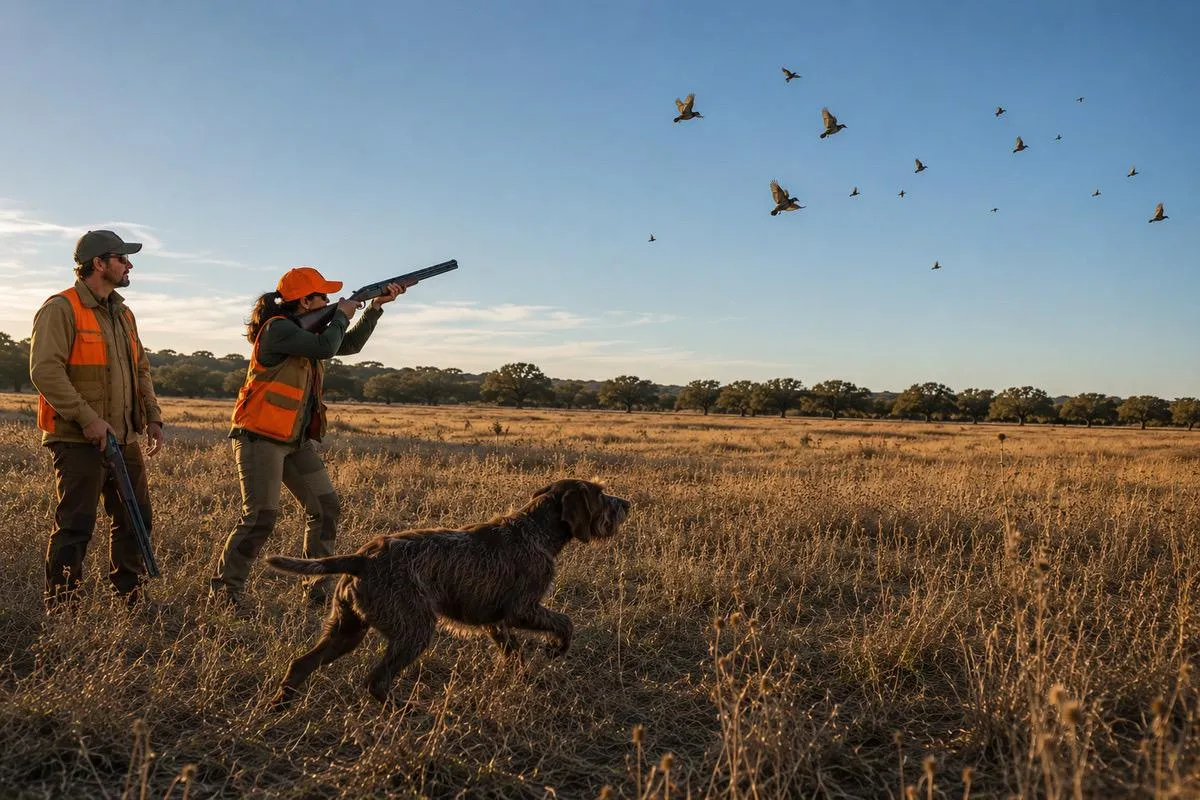
Versatile Hunting Dog Training
For hunters who want one dog to search, hold point, is steady to shot, retrieves wing
and fur from land and water.
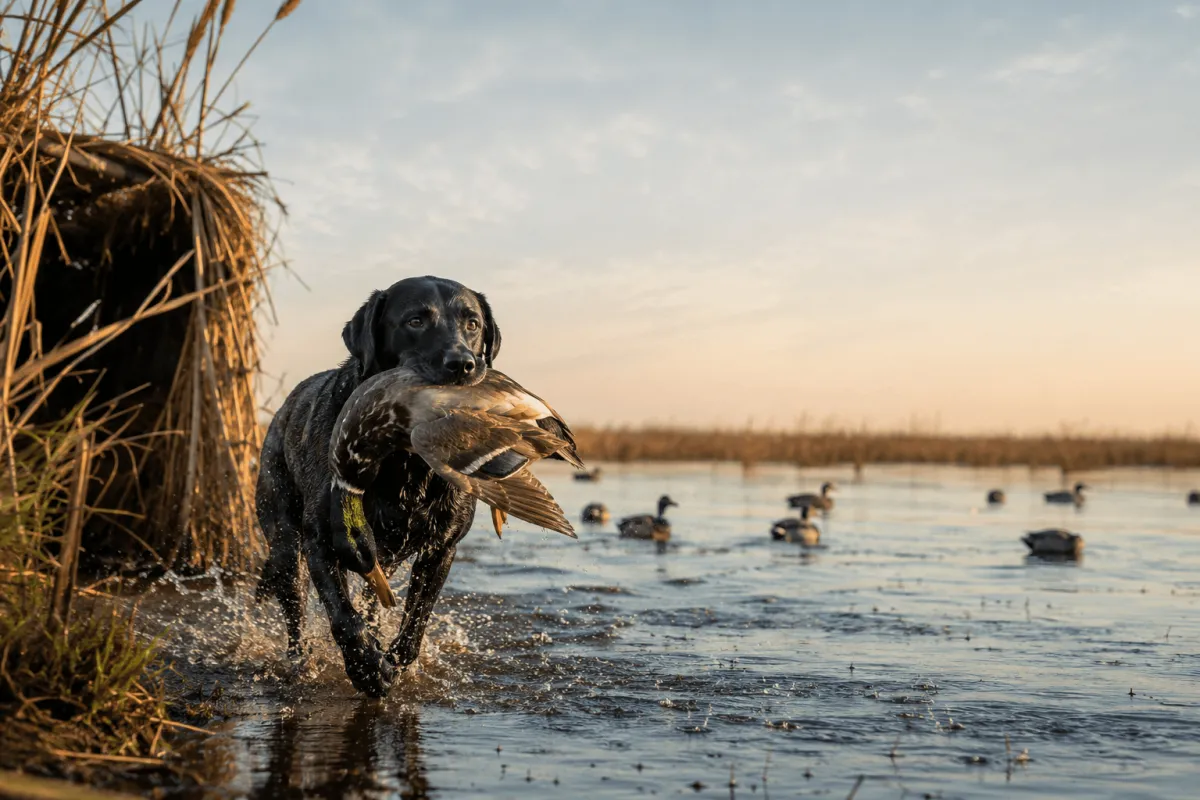
Waterfowl Dog Training
Focused on steadiness, marking, retrieve endurance, hand commands, blind manners, and dependable recovery work.
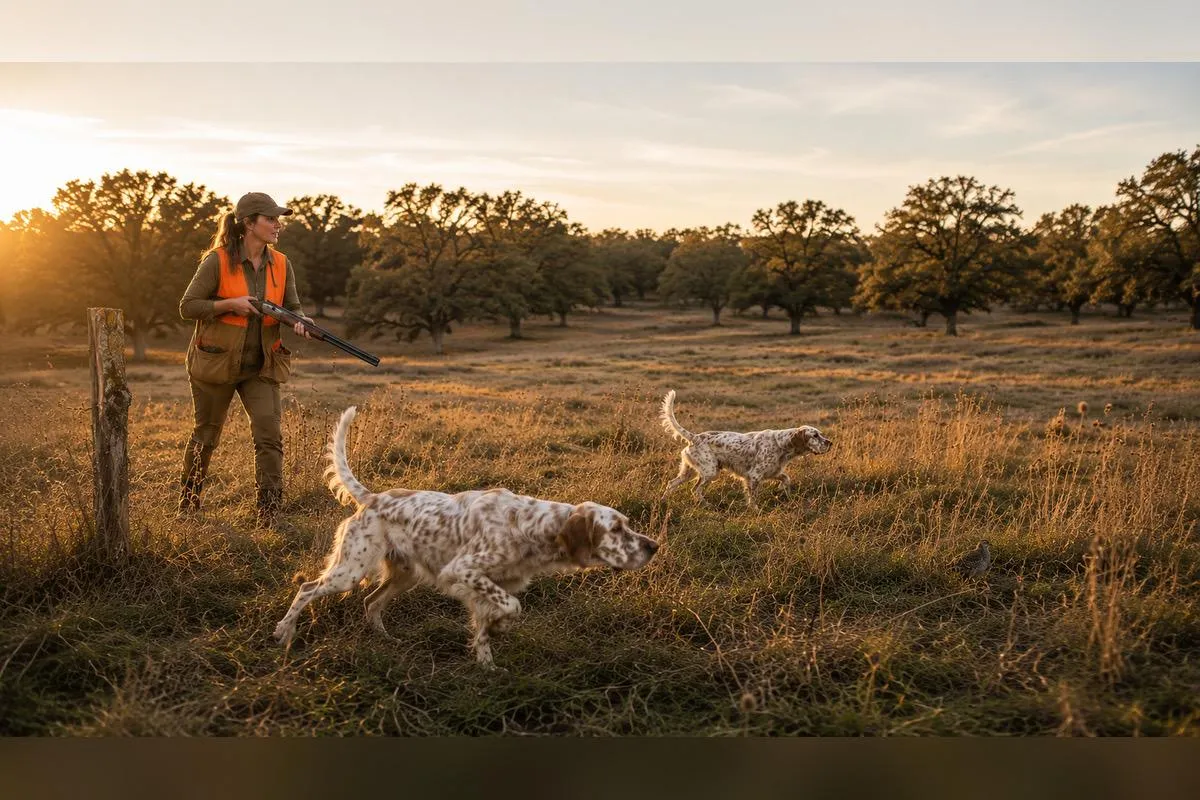
Upland Dog Training
Focused on quartering, pointing or flushing, steadiness, bird contact, endurance and field cooperation.
Hunting Is Better Behind A Truly Finished Dog
More recovered birds. Better control. Less frustration. More memorable hunts.
A confident retriever or steady upland dog changes the entire hunting experience.
The best hunting dogs do more than follow commands.
They:
Read the field
Work naturally with the hunter
Remain steady under pressure
Recover more birds
And bring meaning to every hunt
Aren’t ruined by wrong training decisions
Become your “badass in a fur coat”
That is the standard Advent Retrievers was built around.
The Advent Retrievers Philosophy
Too many good bird dogs lose confidence because of outdated, heavy-handed training methods.
Advent Retrievers was built around a different philosophy:
Build reliability without suppressing natural instinct.
Training should strengthen:
drive
confidence
cooperation
and long-term enthusiasm for hunting
Not every dog learns the same way. You dog may need more observation & understanding.
Understanding the dog in front of you matters.
That balance between discipline and instinct is where exceptional hunting dogs are
developed.
Advent Retrievers Focuses On:
Natural ability
Modern training methods
Hunter/dog partnership
Long-term development
Real-world hunting performance
Preserving confidence and drive
Every Dog Starts With A Field Evaluation
Before training begins, each dog is evaluated in realistic field conditions.
This process helps identify:
natural ability
confidence
prey drive
retrieving instinct
obedience foundation
temperament
trainability
are they a fit to excel
It also helps align expectations between owner and trainer before investing time into
development.
The evaluation process allows training goals to match both:
the dog’s potential
and the owner’s hunting style

Meet Founder Vincent Harris
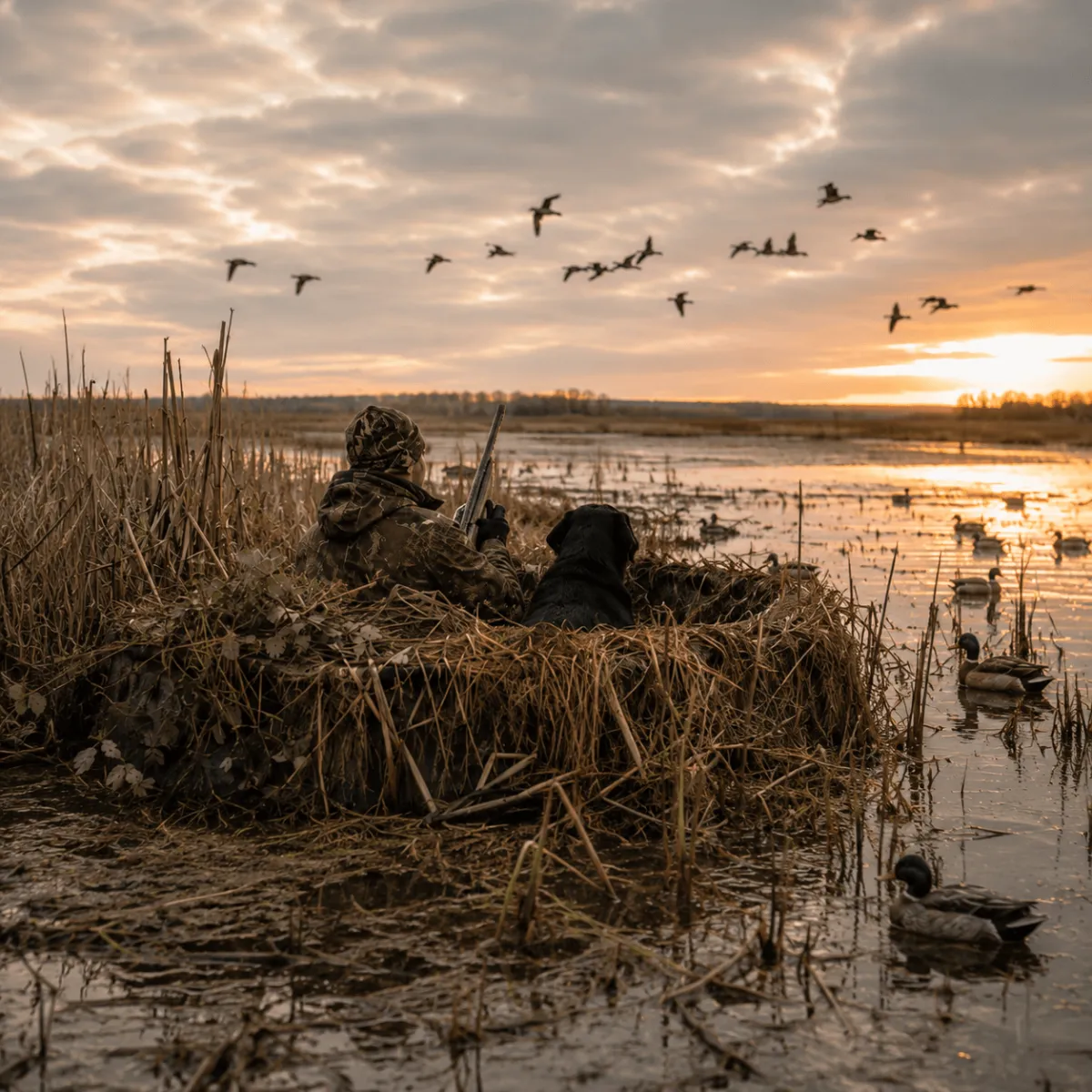
Vincent Harris built Advent Retrievers & Versatiles around a simple belief:
Bird hunting is more rewarding with a highly trained dog that maintains its
natural passion for the work.
His approach combines modern training principles, animal psychology, understanding
different breed behaviors, and acces to 1,500 acers of private land to help dogs develop both drive
and confidence in the field.
Build A Hunting Dog You’ll Be Proud To Own
Whether you are starting with a new puppy or developing an experienced hunting dog,
the right training process can dramatically change the next decade of hunting.
Want To Help Your Hunting Dog?
Book A Free Consultation Call
© Copyright 2026. Advent Retrievers & Versatiles. All rights reserved.